

Headline prices eased for a second month and core fell to 2.5%, but gasoline remains about 25% higher than a year ago.
U.S. consumer prices rose 0.1% in July and 3.4% over the past 12 months, the Bureau of Labor Statistics reported on Wednesday, a second consecutive month of deceleration that matched forecasts.
The annual rate eased from 3.5% in June. Core inflation, which excludes food and energy, rose 0.2% on the month and 2.5% over the year, down from 2.6%.
Energy drove the moderation. Energy prices fell 1.5% in July and the gasoline index declined 2.9%, according to the bureau.
Fuel Costs Remain Well Above Last Year
The monthly decline did not reverse the increase built up earlier in the year. Gasoline remains about 25% higher than it was 12 months ago, following the run-up in crude prices tied to the conflict with Iran.
For companies operating vehicle fleets, delivery routes or freight-dependent supply chains, the annual figure is the one that reaches the income statement. A business that set fuel budgets on last summer’s prices has been absorbing the difference for months.
Shelter accounted for roughly two-thirds of the monthly increase in the index, rising 0.1% in July and 3.2% over the year, Scotsman Guide reported. Commercial and residential leases reprice on annual cycles, so that increase reaches tenants in steps rather than immediately.
Cost Lines Diverge From the Headline
Several categories that feed directly into operating costs rose faster than the 3.4% headline.
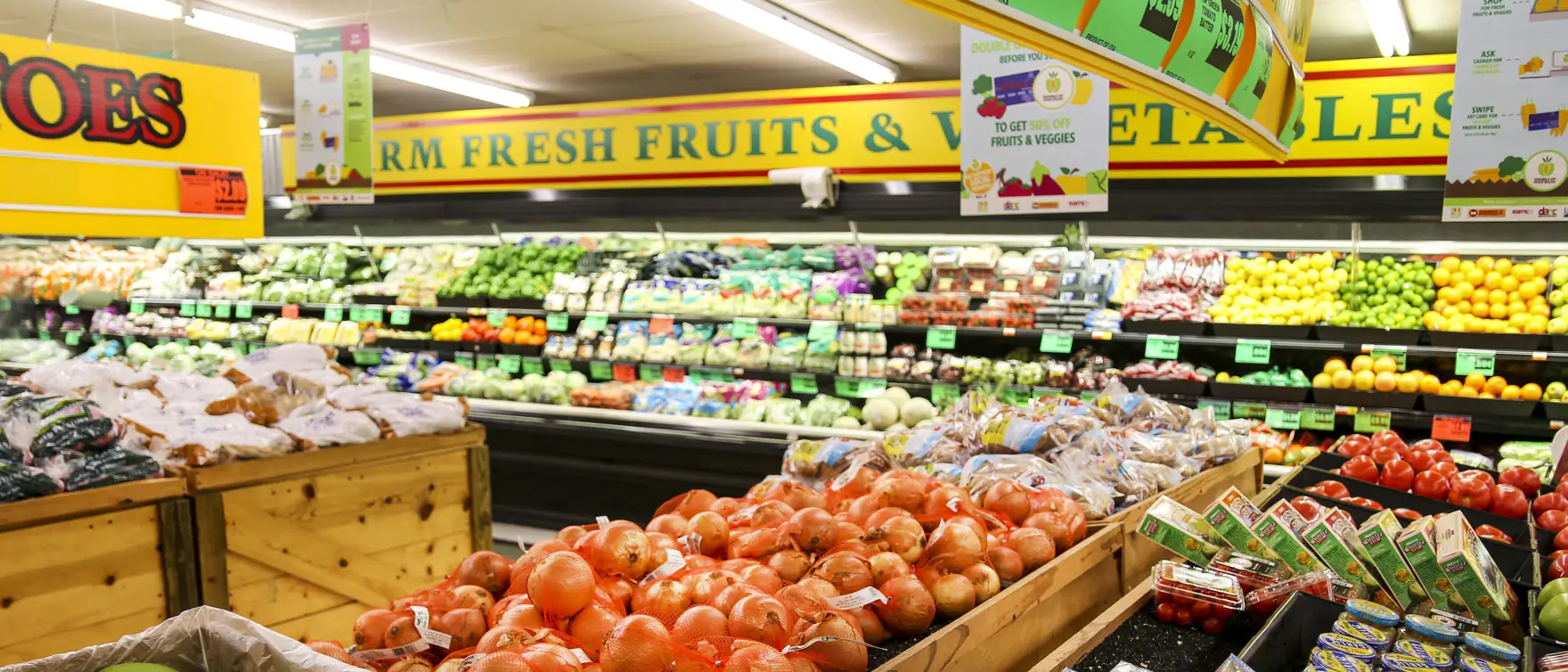
Food away from home increased 3.4% over the year and food at home 2.7%, with beef and veal up 9.4%, Fox Business reported. Airline fares rose 25.5%. Eggs fell 25.7%.
Categories tied to labour-intensive services generally held above the composite, while goods categories exposed to commodity swings moved in both directions.
The dispersion matters for budgeting. A restaurant, a logistics operator and a professional services firm face materially different cost pictures, and none of them resembles the composite figure.
Rate Path Points to Hold or Hike
The report reduced market expectations of a Federal Reserve rate increase at the September meeting. Traders priced roughly 60% odds that the central bank holds rates steady, according to CME FedWatch data cited by Scotsman Guide, compared with an even split before the release.
The distribution is between holding and raising. It does not include a near-term reduction.
“Two relatively soft inflation reports in a row should ease concerns that price pressures were starting to build again,” said Sam Williamson, senior economist at First American Financial Corp. The data “gives the Federal Reserve more room to hold the federal funds rate steady at its September meeting,” he said.
“In-line inflation will keep the ‘no need to hike rates’ narrative intact,” said Ellen Zentner, chief economic strategist at Morgan Stanley Wealth Management.
“Contained core inflation adds to encouraging signs of moderation,” said Lindsay Rosner, head of multi-sector fixed income at Goldman Sachs Asset Management.
Borrowing costs for small and mid-sized companies are tied to the same benchmark. Businesses that deferred equipment purchases or refinancing while waiting for cheaper credit are waiting on an outcome that current pricing does not contain.
The Case Against Reading Too Much Into It
Two months of deceleration is not a trend, and the composition of this one invites caution.
The decline was led by energy, the most volatile component in the index and the one least connected to underlying demand. Strip it out and core prices still rose 0.2% on the month. Core has moved down by a tenth of a percentage point in each of the last two readings, a pace that would take most of a year to reach the central bank’s 2% target.
Shelter, meanwhile, is the largest single component of the index and the slowest to respond to policy. Its 3.2% annual increase sets a floor under the headline figure that energy swings cannot remove.
What Comes Next
The August CPI report is scheduled for September 11, CBS News reported. It is the last major inflation reading before the Federal Reserve meets in September.
Crude prices remain the variable with the widest range of outcomes. The energy component that pulled the July figure down is the same one that pushed earlier readings up.
Frak Finance provides fractional CFO, accounting, and strategic financial advisory services to SMBs between $1M and $50M in revenue, including cost optimization and profitability analysis. Schedule a complimentary consultation.